The operating question
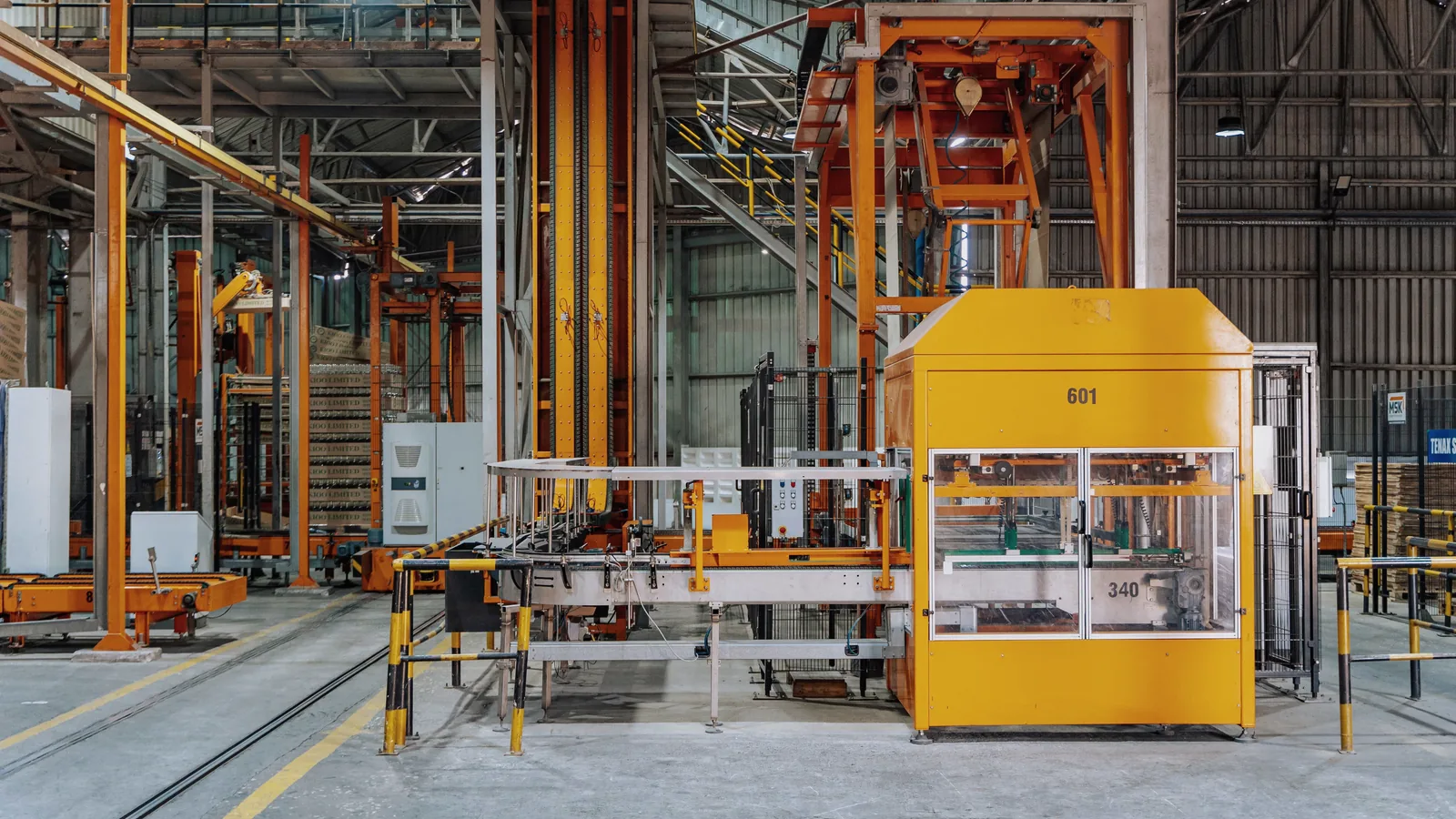
Where does work stop, wait, loop, accumulate or lose its connection to demand?
A practical framework
- Observe the real flow of material and information from trigger to accepted output.
- Separate value-creating work from waiting, movement, rework and control failure.
- Change the governing condition, then verify flow, quality and workload together.
What the technical work needs to resolve
Local utilization can work against system flow when every resource produces independently of the constraint and customer need. Inventory then hides timing and quality problems rather than protecting the system.
Standard work is a controlled baseline for learning, not a static instruction imposed without operator knowledge. Changes should make the expected condition and abnormal condition easier to distinguish.
Scale the framework to what is riding on the decision. A narrow issue may need a short evidence review; a production or quality decision may need controlled requirements, representative trials, traceability and formal disposition. In either case, keep assumptions visible so later changes do not quietly invalidate the conclusion.
Common failure modes
- Running a tool event without a system problem statement.
- Optimizing local efficiency while lead time and WIP grow.
- Moving waste to another process or person.
- Calling visual organization a sustained operating-system change.
These failure modes are tempting because they create visible activity quickly. The risk begins when activity is mistaken for progress. Close the work only when evidence shows that the requirement, process or decision now behaves as intended.
Measure flow with lead time, WIP, first-pass acceptance and constraint behavior—not activity counts alone.
To put the framework into practice, define the owner, controlled inputs, interfaces, expected output, exception path, acceptance criteria and verification record. That turns the insight into something usable in a design review, supplier discussion, production trial or management decision.